
GolfBays

Loved by 10,000+ Happy Golfers

Golf-Ausrichtungsstäbe

Unsere Golf-Alignment-Sticks und Swing-Alignment-Werkzeuge nehmen das Rätselraten aus dem Training, indem sie Ihnen klare visuelle Rückmeldungen zu Ausrichtung, Ballposition und Schwungbahn geben. Egal, ob Sie vollwertige Ausrichtungsstangen für klassische Set-up-Checks, tragbare Klappstäbe für das Aufwärmen vor jeder Runde oder fortschrittlichere Swing Plate-Optionen suchen – diese Kollektion vereint die zuverlässigsten Ausrichtungs-Hilfen, die Golfer verwenden, um sauberer zu treffen und gerader zu schlagen.

5 PRODUKTE

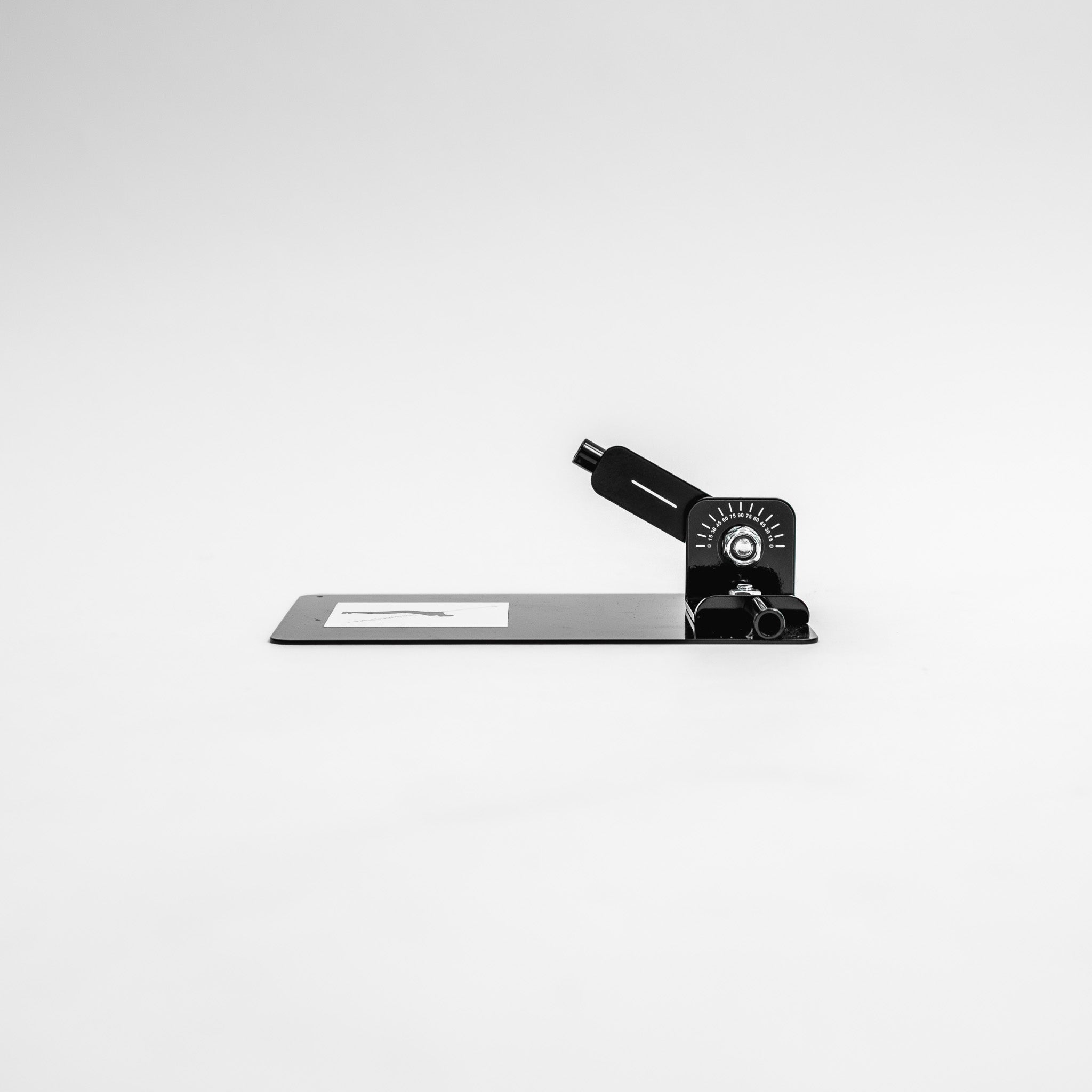
Der Schwingteller
1 Review

Der Schwingteller

€68,95 EUR
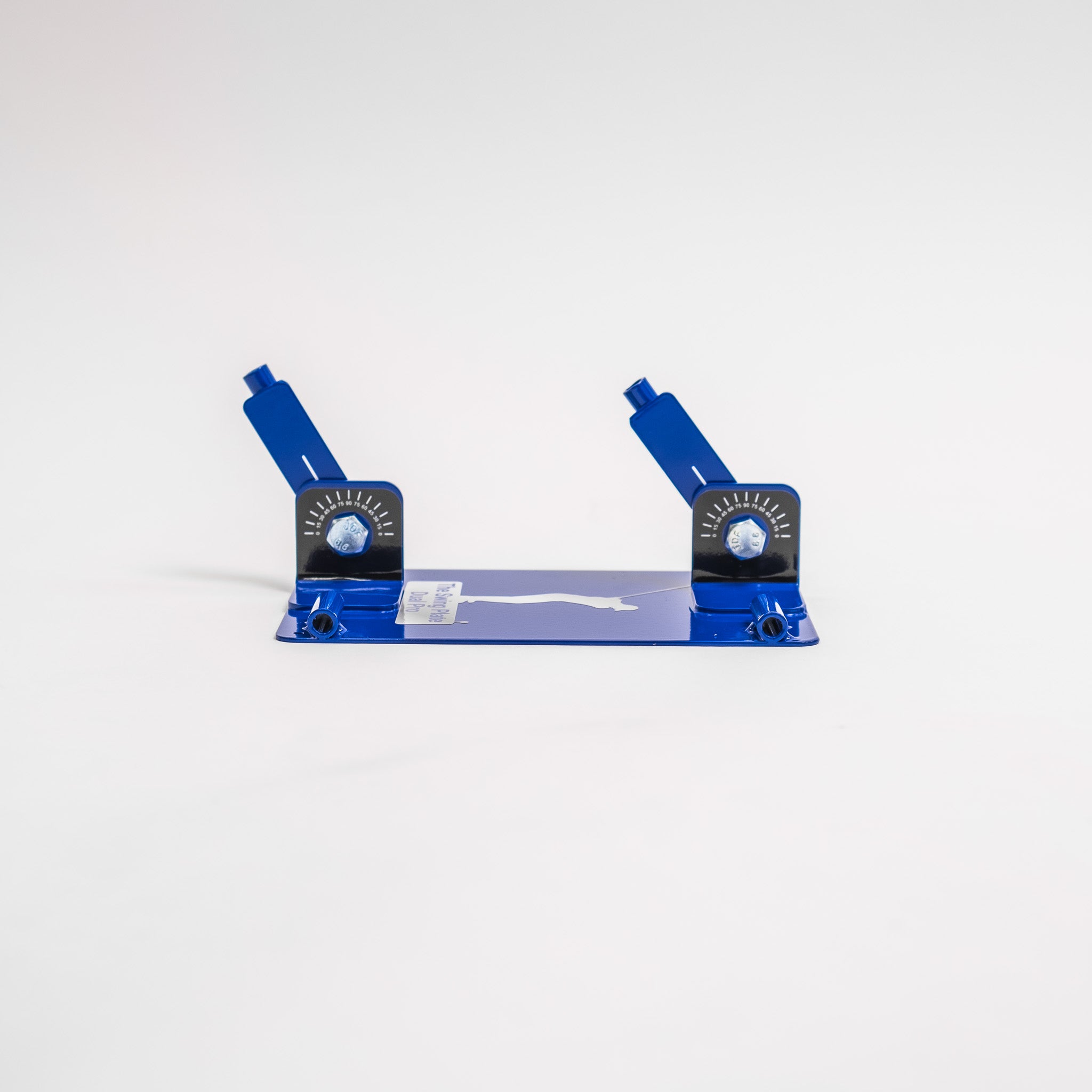
Die Schwenkplatte Dual Pro

Die Schwenkplatte Dual Pro

€97,95 EUR
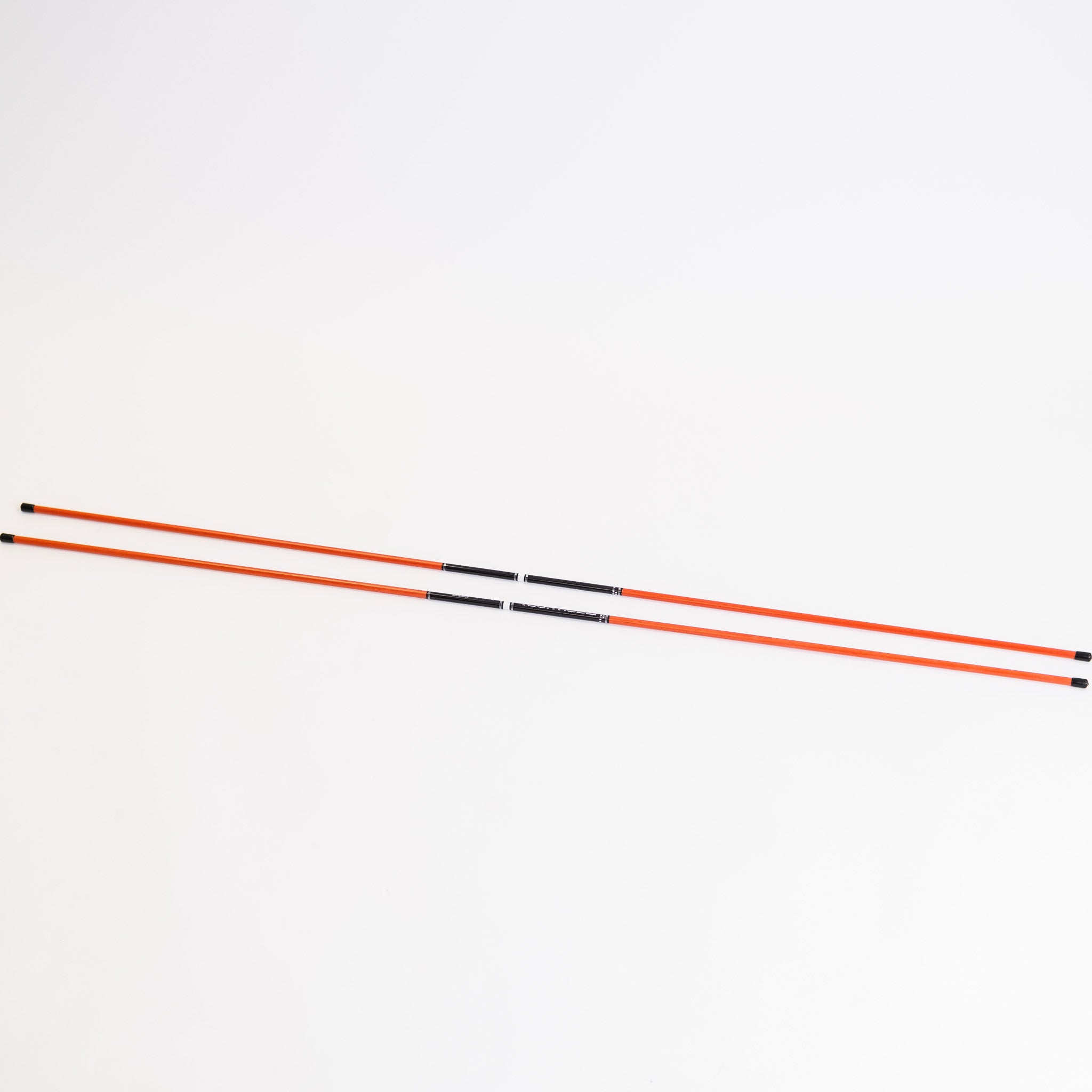
Tour Rodz Ausrichtungsstäbchen 2 Stück - Orange
1 Review

Tour Rodz Ausrichtungsstäbchen 2 Stück - Orange

€16,95 EUR
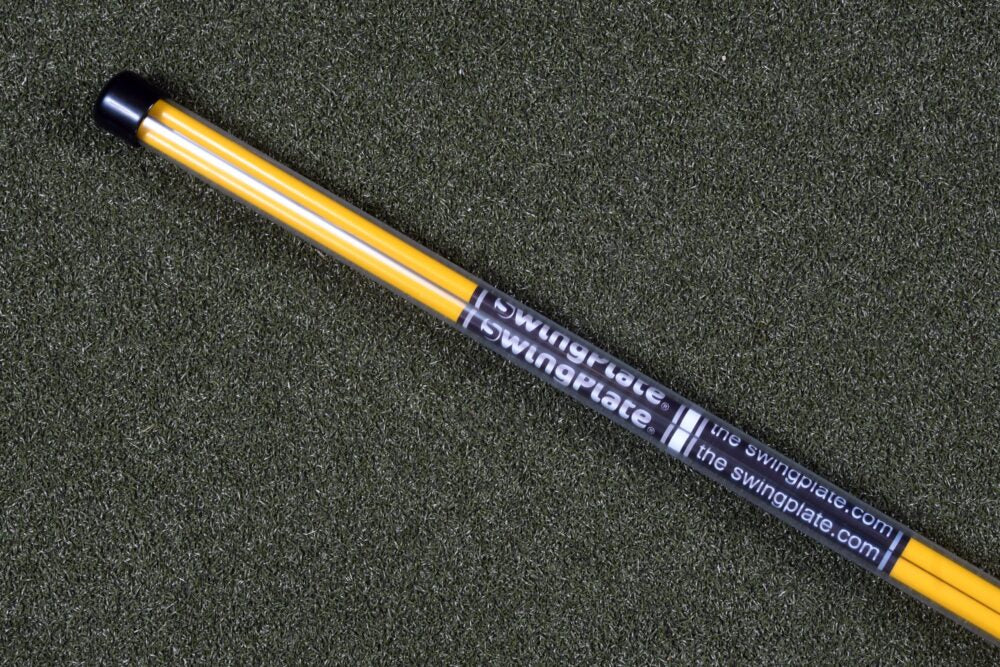
Schwingteller - Offizielle Ausrichtungsstäbchen

Schwingteller - Offizielle Ausrichtungsstäbchen

€13,95 EUR
GolfBays

BUCHEN SIE EINE BERATUNG

Erleben Sie GolfBays in Aktion!

Sold Out

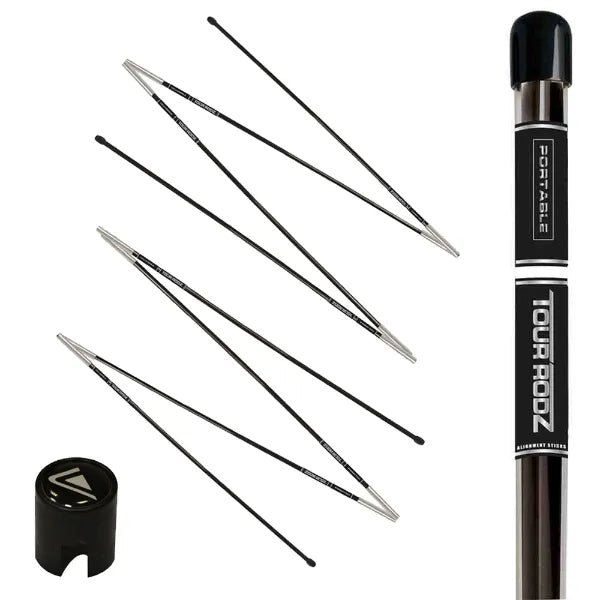
Longridge Tragbare Rutenausrichtungsstäbe für Touren

Longridge Tragbare Rutenausrichtungsstäbe für Touren

€22,95 EUR

Meistern Sie Ihr Setup mit Golf-Alignment-Sticks

Zwei einfache Stäbe auf dem Boden reichen aus, um Ihnen klares Feedback zu geben, wohin Sie tatsächlich zielen und wie Ihr Schwung durch den Ball verläuft.

Unsere Golf-Alignment-Sticks und Swing-Alignment-Tools sind genau dafür entwickelt. Ob Sie gegen einen hartnäckigen Slice kämpfen, versuchen, Ihre Ansprechpositionen zu präzisieren, oder einfach eine verlässlichere Pre-Shot-Routine wollen – diese Trainingshilfen verwandeln Ihr Training dezent. Von tragbaren Sets, die in Ihrer Tasche bleiben, bis hin zu Swing-Plate-Stationen für fortgeschrittene Übungen bietet unsere Auswahl an Alignment-Sticks etwas für jedes Spielniveau und jede Übungsart.

Drei einfache Ausrichtungsstick-Übungen zum Einstieg

Wenn Sie ständig an Ihrem Schwung herumbasteln, aber nie die Ausrichtung überprüfen, machen Sie es sich unnötig schwer.

Schlechte Zielausrichtung zwingt Sie zu Kompensationen während des Schwungs. Inkonsistente Ballposition verändert Treffmoment, Abflug und Spin von Schlag zu Schlag. Ungenutzte oder untrainierte Schwungbahnen lassen Slices, Hooks und Pulls zufällig erscheinen, auch wenn sie es nicht sind.

Wenn Sie regelmäßig Alignment-Sticks verwenden, können Sie die langweiligen Teile des Spiels standardisieren – Setup, Ziel, Ballposition, Startlinie – damit Ihr Schwung eine echte Chance hat zu zeigen, was er wirklich kann.

1. Die klassische Ziel- & Ausrichtungsübung

Lege einen Ausrichtungsstab direkt entlang deiner Ziellinie, dann platziere einen zweiten Stab parallel dazu entlang deiner Zehen.

So siehst du sofort, ob deine Füße, Hüften und Schultern tatsächlich auf das Ziel ausgerichtet sind oder nach außen abdriften. Es ist eine großartige Methode, um deine Anlauflinien zu straffen und eine Körperstellung aufzubauen, die du Schlag für Schlag wiederholen kannst.

2. Ballposition als Referenz für gleichmäßige Schläge

Platziere einen Ausrichtungsstab quer über deinem Stand, senkrecht zur Ziellinie.

Verwende ihn, um die Ballposition für jeden Schläger zu markieren – etwas weiter vorne beim Driver, etwa in der Mitte bei den mittleren Eisen und je nach Schlag passend bei den Wedges. Dieser einfache Kontrollpunkt macht deinen Treffpunkt, den Launch und den Kontakt wesentlich vorhersehbarer.

3. Einbau der Startlinienklappe

Erstelle ein kleines Tor aus zwei Ausrichtungsstäben, etwas breiter als ein Golfball.

Rolle Putts durch die Lücke, um ein quadratisches Schlagflächen-Setup und einen sauberen, entschlossenen Schlag zu trainieren. Es ist eine unkomplizierte Methode, um die Putt-Ausrichtung zu schärfen und deine Startlinie auf jedem Übungsgrün oder Putting-Matte zu verbessern.

Warum sollten Sie Alignments-Sticks von GolfBays kaufen?

Die richtigen Alignment-Sticks auszuwählen bedeutet nicht einfach, zwei auffällige Stäbe aus dem Regal zu greifen – es geht darum, Trainingshilfen zu finden, die Ihr Training tatsächlich verbessern. Bei GolfBays arbeiten wir seit Jahren mit Golfern, Trainern und Simulator-Nutzern zusammen. Daher wurde alles, was wir anbieten, sorgfältig ausgewählt, weil es seinen Platz in Ihrer Tasche wirklich verdient.


Echte Erfahrung zählt

Unser Team baut und testet täglich Golf‑Setups für zu Hause. Wir beobachten, wie Golfer Ausrichtungsstäbe in der Praxis verwenden – auf Driving Ranges, in Garagen, in Studios – und empfehlen nur Produkte, die wiederholtem Training standhalten und klares, verlässliches Feedback liefern.

Produktauswahl von Experten.

Jedes Ausrichtungstool in dieser Kollektion wurde ausgewählt, weil es eine bestimmte Aufgabe besonders gut erfüllt. Volllange Stangen für klassische Ausrichtungsarbeiten. Klappbare, tragbare Stäbe, wenn Sie Ihre Alignment-Sticks im Bag aufbewahren und sie bei jedem Aufwärmen verwenden möchten. Swing Plate-Einheiten für alle, die zu Hause oder in einer Coaching-Arena eine fortgeschrittenere Schwungebenen-Station aufbauen möchten. Wenn es hier ist, dann weil es ein echtes Problem löst, das wir tagtäglich sehen. GolfBays ist Ihre Anlaufstelle für renommierte Golf-Übungsmarken, darunter Swing Plate, PuttOUT, Longridge und Tour Rodz.

Vertraut von ernsthaften Golfern und Trainern.

Sie finden dieselben Ausrichtungshilfen, die von PGA-Profis, Trainingsakademien und engagierten Spielern verwendet werden. Wenn ein Produkt bei Trainern zum Favoriten wird, sagt das alles über seine Wirksamkeit und Zuverlässigkeit aus.

Klare Anleitung, ehrliche Ergebnisse.

Wir erklären, wofür jedes Produkt gedacht ist, wie es angewendet wird und für wen es am besten geeignet ist. Keine Spielchen oder übertriebenen Versprechungen – nur praktische Hilfsmittel, die Ihnen helfen, besser zu zielen, sauberer zu treffen und mit mehr Sicherheit zu schlagen.

Das GolfBays-Team unterstützt Sie dabei, eine intelligentere Trainingsroutine mit funktionaler Ausrüstung aufzubauen. Wählen Sie die Ausrichtungsstäbe, die zu Ihrer Trainingsweise passen, und Sie werden den Unterschied lange bevor Ihr nächster Eimer zu Ende ist bemerken.

Which Alignment Sticks Should I Choose?

Product Best Match For… Why This Option
Tour Rodz Alignment Sticks (2pc) Classic range work & everyday practice Full-length rods designed for alignment, ball-position checks, swing-path guidance and setup drills. Durable, simple, and ideal for golfers who want a dependable pair for regular practice.
Longridge Portable Tour Rod Alignment Sticks Warm-ups before every round & practice on the go These fold into four parts and pack down small, making them ideal if you like to keep alignment sticks in the bag and use them before every round or for quick practice sessions.
PuttOUT Putting Plane Alignment Stick Set Putting-focused practice & indoor stroke work A structured putting station with alignment sticks, gates and a plane board. Perfect for sharpening start line, face control and stroke path on putting mats or practice greens.
Swing Plate – Official Alignment Sticks Home simulators & structured swing-plane stations Designed to pair with Swing Plate bases, these sticks help you build a repeatable swing-plane station for indoor bays, coaching setups and technical practice sessions where accuracy and consistency matter.

Häufig gestellte Fragen

Möchten Sie persönliche 1‑zu‑1-Beratung?

Even experienced golfers may see their setup drift over time. Maybe your shoulders are a touch open or your ball position is creeping forward, or your feet are aiming somewhere they shouldn’t. A golf alignment stick gives clear, instant feedback so your fundamentals stay sharp. It’s a simple tool that keeps your swing honest without guessing.

A golf alignment rod won’t cure a slice on its own, but it will highlight the patterns that cause one. And that’s usually where the breakthrough happens. Many golfers who slice the ball actually aim left without realising it, which encourages an out-to-in swing even if they try to swing neutral. When you put a golf alignment rod down, you immediately see whether your body is aiming where you think it is.

You can also use a second alignment stick as a simple path gate, which shows whether your club is working too far across the ball. Once those patterns are visible, you’re no longer guessing: you can train a more neutral path and match it with a square face. That clarity accelerates any swing change far more than just trying another feel.

Start with the basics. Lay one alignment stick down your target line and a second along your toes. If you want an extra checkpoint, place a third stick across your stance for ball position. This simple setup sharpens your aim, tidies your body lines and gives your swing a consistent starting point without turning the bay into an obstacle course.

A garden cane or generic fibreglass rod will point a straight line, but a proper golf alignment rod behaves better in the places golfers actually practise. Purpose-made alignment rods lie flatter on range mats, don’t bounce when nudged, and are built to handle being stepped on, clipped or carried in a golf bag without splintering. They also come with capped ends for safety and comfort, which makes a difference when you’re moving them around during drills. And if you use tools like Swing Plate, only proper alignment rods fit securely. If you practise regularly, purpose-made alignment rods are the more reliable and durable long-term option.

You can use a golf alignment stick for warm-ups and practice rounds, but you can’t set one down to help with your aim during a competitive stroke under the Rules of Golf. Most golfers train their lines on the range with alignment rods, then switch to picking intermediate targets once they’re on the tee.

Use a golf alignment rod at the start of the session to calibrate everything, then hit a few balls without it to test your feel. Move back and forth between the two. This approach keeps your fundamentals sharp without relying on the rod for every single swing. Ideally, over time it becomes a check-in tool rather than a crutch.

A golf alignment stick is genuinely effective for putting because it gives you instant feedback on your start line - something most golfers struggle to judge by feel alone. The simplest option is to use two rods as a narrow start-line gate and roll putts through them. If the ball clips a rod, your face was open or closed at impact. You can also lay a single alignment stick on the ground to match your intended stroke path or to check that your putter is actually aimed where you think it is. These simple checkpoints are far more productive than hitting putts without any reference, and they reveal patterns that most golfers never realise they have.

Yes, a golf alignment stick can be a very effective way to train low point and improve your strike. Place a rod just behind the ball for chips or pitches and train yourself to miss it. If you catch the stick, your weight, pressure or shaft lean has drifted back, which is one of the most common causes of striking the ground before the ball. You can use the same idea with irons on the range: set the rod a clubhead’s width behind the ball and check whether your divot or brush point consistently happens ahead of it. It’s a simple checkpoint that reveals patterns most golfers don’t notice, and it helps you build cleaner, more predictable contact over time.

Folding golf alignment rods work just as well for aim, stance, and ball-position drills, and they’re ideal if you want a set that stays in your bag for warm-ups. Full-length alignment sticks are great for home mats or simulator bays because they give more visual presence on the ground. Many golfers use both depending on where they practise.

Better players use a golf alignment stick as a quick, targeted checkpoint rather than a permanent fixture. At the start of a session they’ll confirm their aim, check ball position for the club they’re working with, and lay down simple gates to monitor club path and start line. Once those references are in place, they’ll hit balls with and without the sticks to make sure their feel matches reality. They also bring the rods back out whenever they’re working on a technical change, because it stops compensations creeping in. The common theme is consistency: pros use alignment sticks to make sure the foundations are solid before they focus on shaping shots or refining mechanics.

Vereinbaren Sie eine kostenlose Beratung